Website.
Web app.
Portal.
Platform.
PWA.
SaaS.
The terminology can quickly become confusing.
For most business owners, the technology isn't actually the important part.
The more useful question is:
What do you need people to be able to do?
Once that is clear, the distinction between a website and a web application becomes much easier to understand.
What is a website?
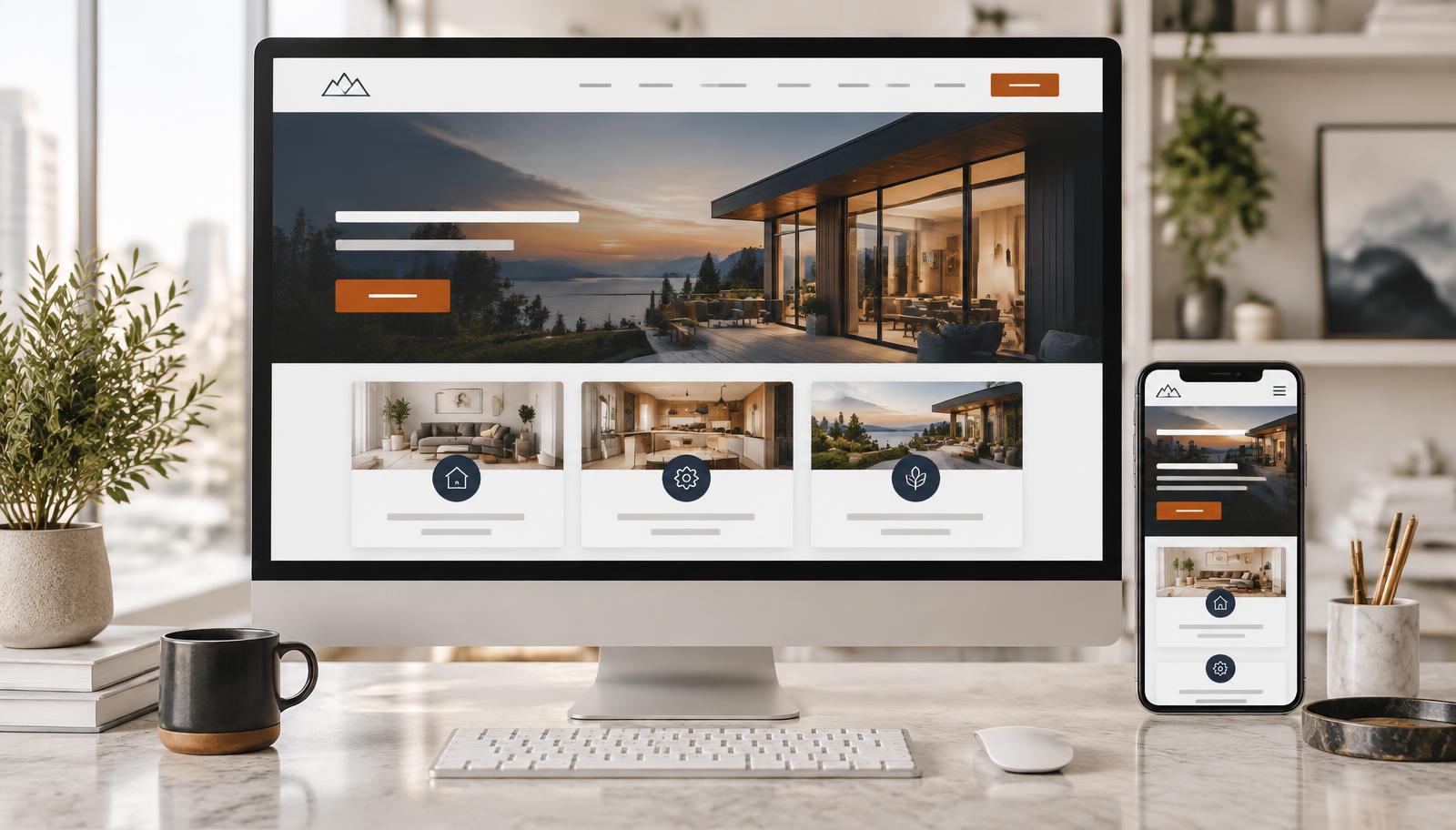
A traditional website is primarily about communicating information.
A business website might allow visitors to:
- understand what you do
- see your services
- view previous work
- read reviews
- understand pricing
- find your location
- contact the company
- request a quotation
The experience is largely content-led.
For many businesses, this is exactly what is needed.
What is a web app?
A web application allows the user to interact more deeply with a system.
Rather than simply reading information, the user might:
- create an account
- log in
- make a booking
- manage appointments
- upload information
- pay for services
- manage a subscription
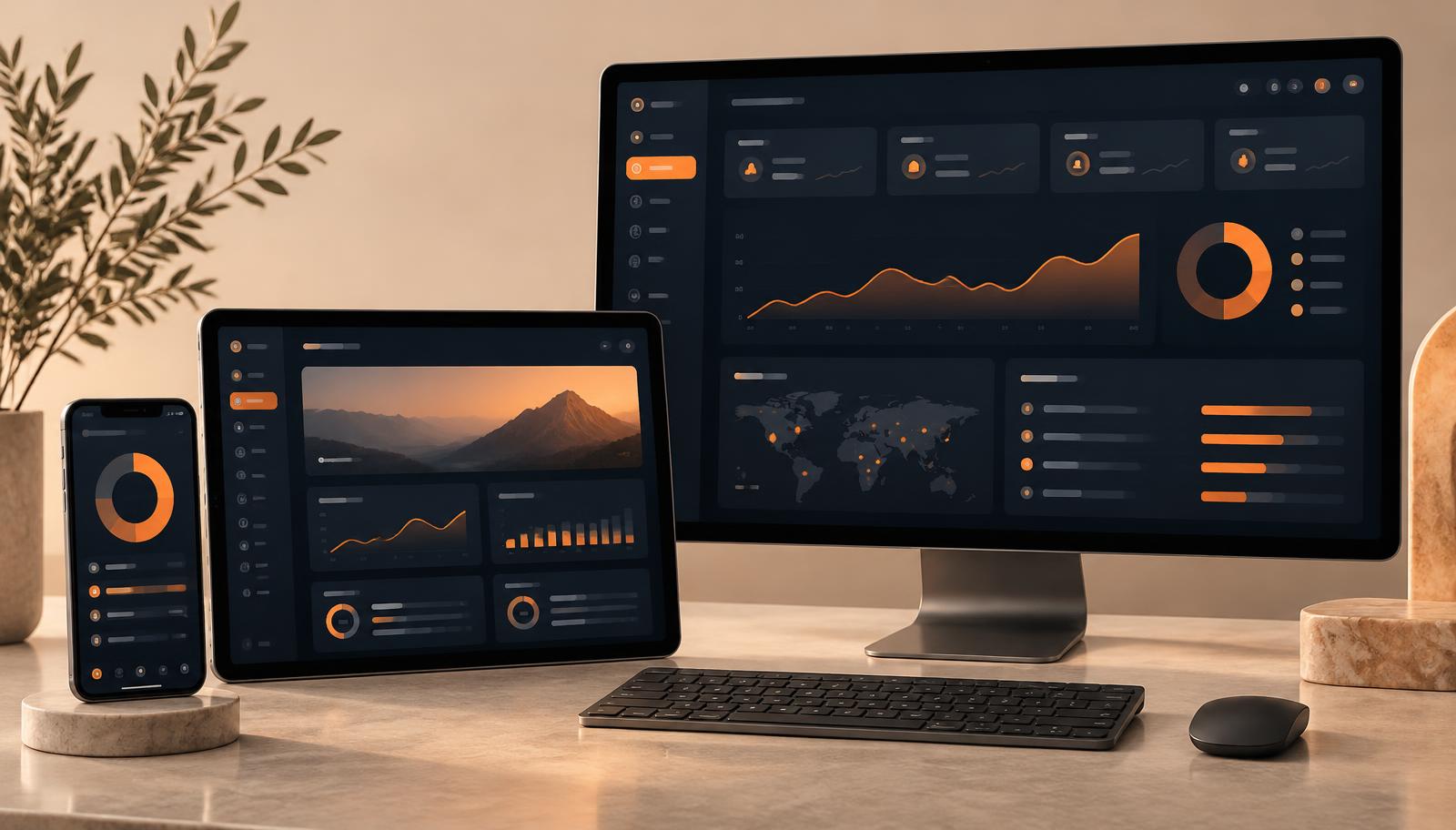
- view a dashboard
- communicate through a portal
- use a specialist tool
Think of a website as somewhere you primarily consume information.
Think of a web app as somewhere you do something.
That distinction isn't perfect, but it is useful.
Website vs web app: a simple comparison
| Website | Web app | |
|---|---|---|
| Primary purpose | Information, marketing and enquiries | Interaction and completing tasks |
| Typical users | Visitors and potential customers | Customers, members, staff or subscribers |
| Typical functions | Pages, forms, galleries, content and calls to action | Accounts, bookings, payments, workflows and dashboards |
| Login | Usually not required | Often required |
| Database interaction | Limited | Usually central to the product |
| Example | Professional service business website | Booking platform or customer portal |
When is a website enough?
A traditional website is usually appropriate when the main goal is to:
- establish credibility
- explain services
- generate enquiries
- rank in search
- display previous work
- provide contact information
A plumber, surveyor, solicitor, physiotherapist or local trades business may not need an app at all.
A well-designed website may provide everything the business needs.
This is important because adding unnecessary technology makes projects more expensive and more complicated.
When do you need a web app?
A web application becomes more relevant when people need to repeatedly interact with your business.
For example:
Customers need accounts
If each customer needs a secure personalised area, you are moving beyond a typical website.
You need bookings
A simple booking widget can often be added to a website.
But if you need:
- credits
- packages
- cancellation rules
- waiting lists
- membership logic
- customer histories
you may need a more substantial application.
You need subscriptions
Recurring billing, membership access and account management are classic web-application functions.
Customers need a portal
If customers need to repeatedly log in to manage information, documents, services or transactions, a web app may be appropriate.
You are creating a digital product
If customers are paying to actually use the software itself, you are almost certainly building an application.
Can a business have both?
Absolutely.
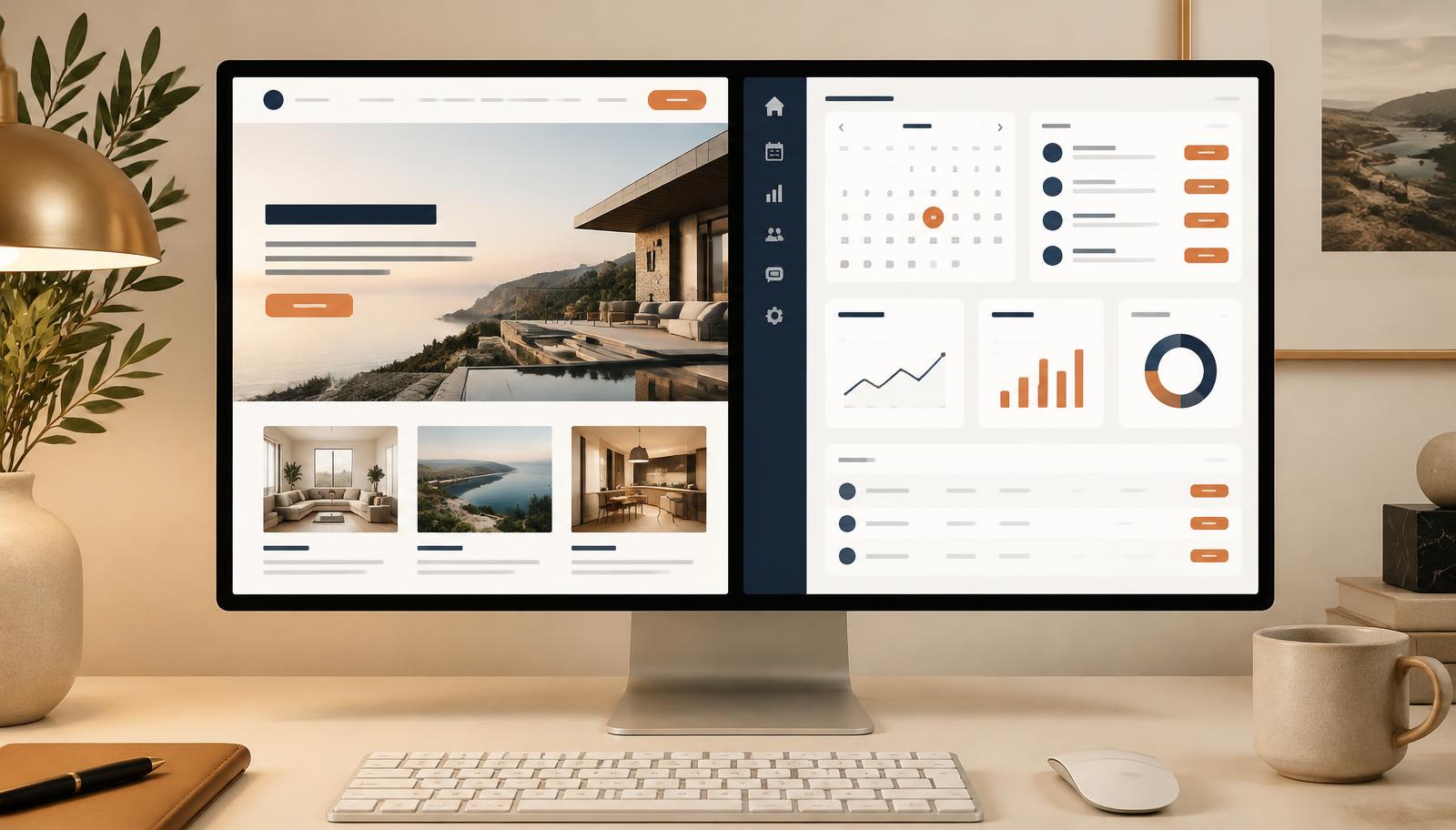
In fact, this is often the best structure.
The public website handles:
- SEO
- marketing
- service information
- landing pages
- content
- enquiries
The application handles:
- accounts
- customer activity
- private data
- bookings
- transactions
- workflows
The two can feel like one connected product while performing very different jobs.
What about Progressive Web Apps?
A Progressive Web App is a web application designed to offer a more app-like experience.
Depending on the requirements and device, it may be installable and provide a more immersive interface.
What about AI?
AI can be part of either a website or an application.
A website might include a simple AI assistant.
A more advanced application might allow users to:
- upload images
- analyse information
- generate reports
- process documents
- receive personalised outputs
The important question is what the AI is actually helping the user achieve.
Which costs more?
Web applications generally cost more because they usually require significantly more functionality.
A website may consist primarily of content, layouts and forms.
A web application may also require:
- databases
- authentication
- roles and permissions
- business logic
- payments
- integrations
- testing
- dashboards
- ongoing development
At WFG our standard websites currently begin at £1,500.
Web App MVP projects currently begin from £2,995, with larger platforms quoted individually.
Which one should you choose?
Ask yourself these questions:
Does the customer mainly need information?
A website may be enough.
Does the customer need to log in?
You may need an app.
Do customers need to manage something?
Probably an app.
Do you primarily want enquiries?
A website is usually the place to start.
Are you selling access to functionality?
That is likely to be an application.
Start with the simplest version
There is a temptation to build everything at once.
That is rarely necessary.
A new product might initially need:
- one user type
- one core workflow
- one payment method
- one dashboard
Additional functionality can be added once users begin interacting with the product.
This is the principle behind building a useful MVP — a first version focused on the core purpose of the product.
Final thoughts
A website and a web app aren't competing products.
They solve different problems.
If you mainly need customers to understand your business and contact you, start with a strong website.
If users need to repeatedly interact, log in, manage information or complete transactions, you may need an application.
And if you're unsure, start with the business problem rather than the technology.
Frequently Asked Questions
Is a web app the same as a website?
No. Both use web technology, but a web app generally involves much more user interaction, data and functionality.
Does a web app need to be downloaded?
Not necessarily. Web applications are normally accessible through a browser, although some Progressive Web Apps may also be installed on supported devices.
Can a website become a web app later?
Yes, depending on how the system is structured. Many businesses begin with a website and introduce application functionality later.
Which is cheaper?
A standard website is generally cheaper than a web application because the technical scope is normally smaller.