£1,500 is an interesting price point for a business website.
It is significantly more than a DIY website builder.
But it is also far below the price many traditional agencies charge for bespoke website projects.
So what should a business reasonably expect to receive for around £1,500?
Quite a lot, provided the project is properly scoped.
What should £1,500 buy you?
A professional website around this price should not simply be a template with your logo dropped into it.
You should expect a website that has been structured around the needs of the business.
That usually means:
- professional design
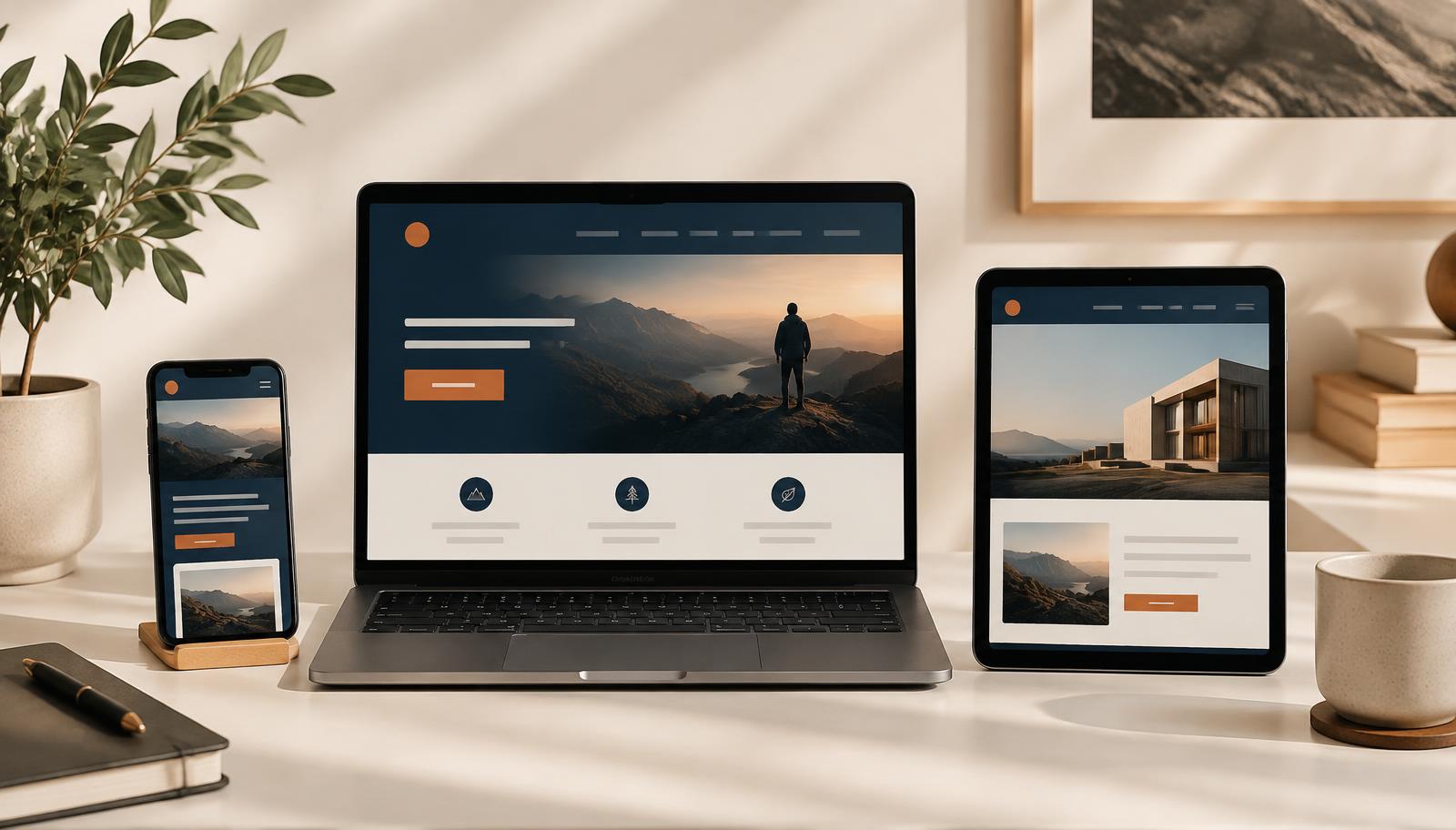
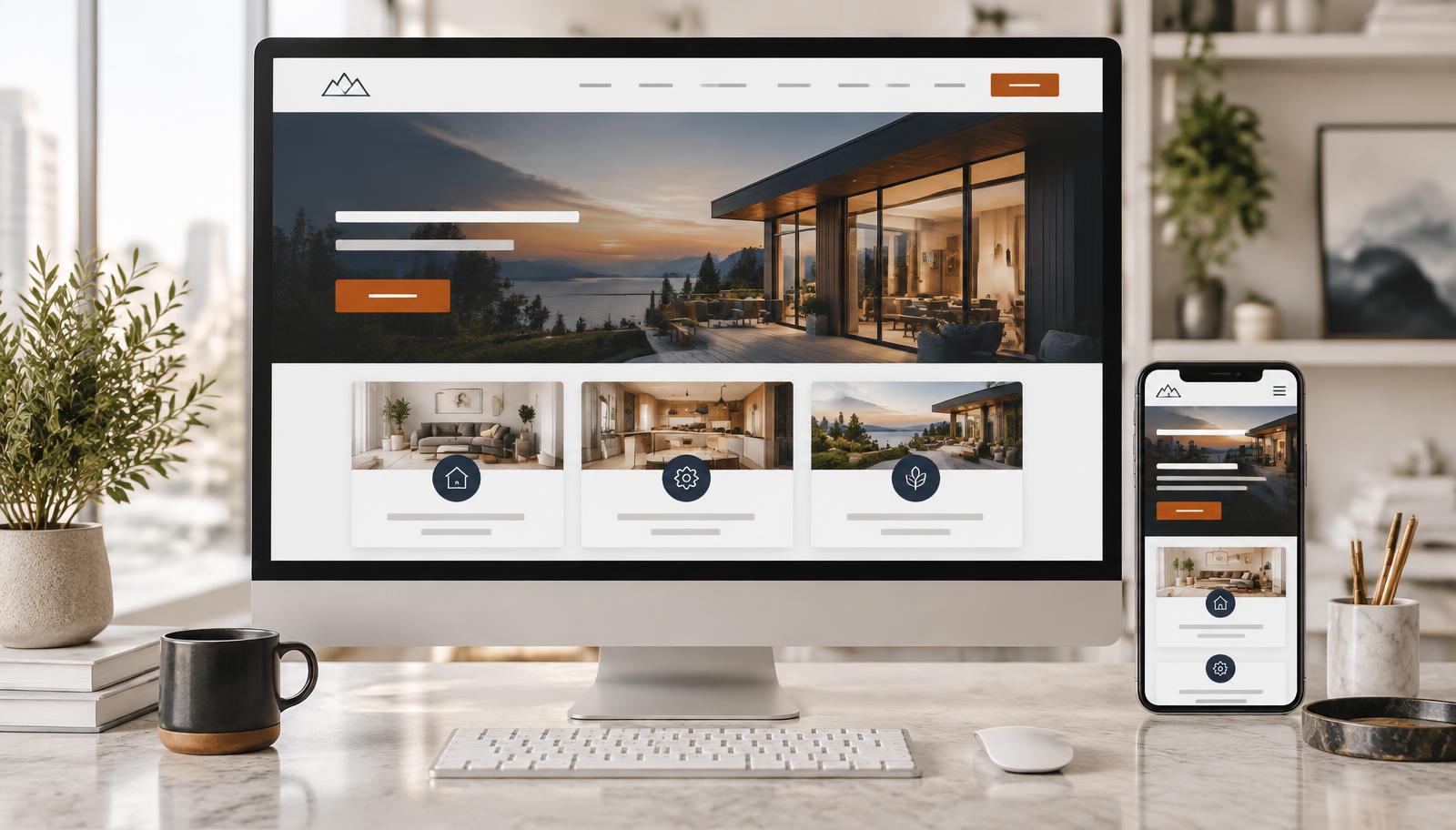
- responsive mobile layout
- clear navigation
- service pages
- contact functionality
- strong calls to action
- basic SEO foundations
- image optimisation
- analytics
- domain connection
- testing
- launch support
The exact number of pages and features will vary.
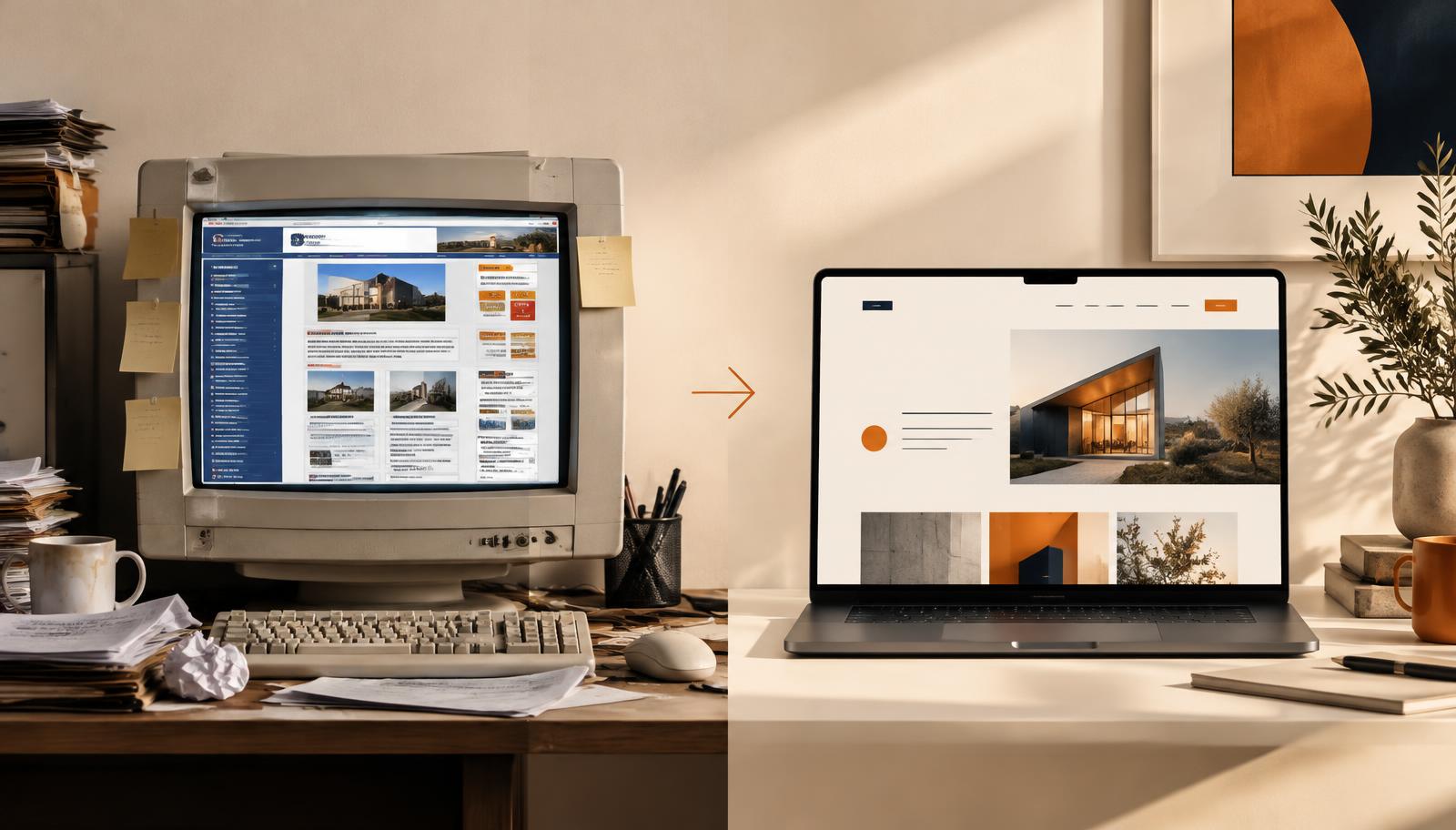
But the end result should look and feel like a professional business website.
A professional design
Your website is often one of the first things a potential customer sees.
It should therefore feel consistent with the quality of the business.
Professional design does not mean filling every page with effects and animation.
Often the opposite is true.
Good business websites usually rely on:
- clear typography
- strong spacing
- good photography
- consistent branding
- logical layouts
- restrained visual effects
The website should help customers understand the business rather than distract them.
Mobile responsive design
Mobile optimisation should be standard.
It should not be sold as an optional extra.
Pages should adapt properly to:
- smartphones
- tablets
- laptops
- desktop screens
Buttons should be easy to tap.
Text should be readable.
Navigation should work naturally.
Contact information should be easy to access.
The pages your business actually needs
There is no perfect page count.
A typical website may include:
- Home
- About
- Services
- individual service pages
- Portfolio or Our Work
- FAQs
- Contact
- Privacy
- Cookies
- Terms where appropriate
Some businesses need fewer.
Others require substantially more.
The goal should not be to create pages simply to make the website appear larger.
Every page should have a purpose.
Strong service pages
A common weakness of small-business websites is that every service is squeezed onto a single page.
That can make the site difficult for both customers and search engines to understand.
Important services often deserve their own page.
A good service page can explain:
- what the service is
- who it is for
- what is involved
- why the customer may need it
- why they should trust the business
- what to do next
Clear calls to action
A visitor should never wonder how to take the next step.
Useful calls to action might include:
- Request a Quote
- Contact Us
- Book a Consultation
- Check Availability
- Start Your Project
These should appear naturally throughout the website.
Enquiry functionality
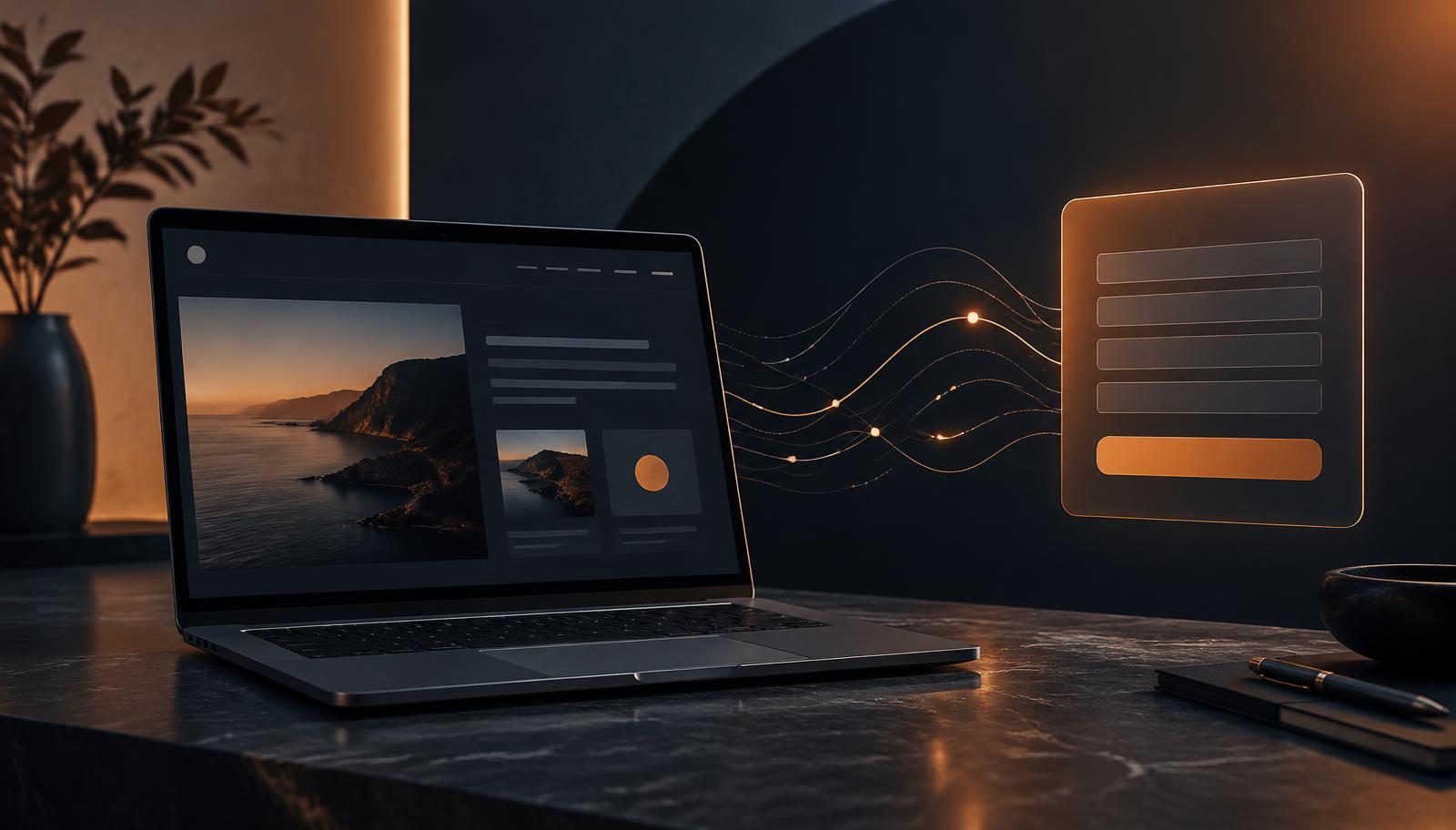
Most service-business websites need an effective enquiry form.
At a basic level it should:
- work reliably
- be easy to complete
- work on mobile
- deliver the enquiry correctly
- confirm submission to the customer
The form should not ask for unnecessary information.
Every extra field creates a little more friction.
SEO foundations
A £1,500 website should not automatically include an enormous SEO campaign.
But it should have sound technical foundations.
These can include:
- sensible URLs
- page titles
- meta descriptions
- proper heading structure
- internal links
- image alt text
- mobile responsiveness
- sitemap
- indexability
- appropriate canonical tags
Analytics and measurement
Once a website is live, you should be able to understand whether anyone is using it.
Analytics can help answer questions such as:
- how many people visit
- which pages they view
- where traffic comes from
- whether enquiries are being generated
Without measurement, website decisions can quickly become guesswork.
Performance
Images should be optimised and pages should be built sensibly.
A small business website does not need to be technically complicated.
In fact, unnecessary complexity is often what makes websites slow.
Security
Basic security should be treated as standard.
That includes HTTPS and sensible handling of forms and customer information.
The specific requirements depend on what the website is doing.
What might cost extra?
Some functionality goes beyond a typical £1,500 website.
For example:
- ecommerce
- advanced bookings
- membership systems
- customer accounts
- custom databases
- subscriptions
- complex integrations
- bespoke calculators
- advanced portals
- web applications
These features require additional development.
What shouldn't be missing?
At around £1,500, I would be cautious if a website does not include:
- responsive design
- professional page layouts
- basic SEO setup
- contact functionality
- analytics capability
- testing
- appropriate legal pages
- clear ownership and handover arrangements
Make sure you understand exactly what is included before agreeing to a project.
How We Forge Growth approaches a £1,500 website
Our Business Website package currently starts at £1,500.
The aim is straightforward:
create a professional website that makes the business look credible and makes it easy for potential customers to take the next step.
We are not interested in creating pages simply to increase the page count.
The structure should reflect what the business actually needs.
You can view our current website packages here.
What about ongoing care?
Launching the website is not necessarily the end of the process.
Businesses change.
Services change.
Teams change.
Content changes.
Some business owners prefer to manage updates themselves.
Others prefer ongoing support.
Look at previous work
Before choosing a web designer, look at the actual websites they have created.
Don't just look at screenshots.
Consider:
- Are the sites easy to use?
- Do they all look identical?
- Do they work properly on mobile?
- Is the business proposition clear?
- Are calls to action obvious?
You can view examples of WFG work in our Portfolio.
Final thoughts
£1,500 should be enough to create a strong professional website for many small businesses.
But the value depends on what is actually delivered.
Focus less on the number of pages and more on whether the finished website:
- represents the business properly
- works well across devices
- communicates clearly
- is technically sound
- makes it easy for customers to enquire
That is what ultimately matters.
Frequently Asked Questions
Is £1,500 expensive for a website?
It depends entirely on the scope and quality of the project. Professional website projects can range from hundreds to many thousands of pounds.
How many pages should I get for £1,500?
There is no fixed answer. Page count should be determined by the needs of the business rather than by trying to maximise the number of pages.
Does £1,500 include SEO?
It should reasonably include sound SEO foundations, but an ongoing SEO campaign is a separate service and should not be confused with basic website optimisation.
Can I add more pages later?
Yes. A properly structured website should be able to evolve as the business grows.